

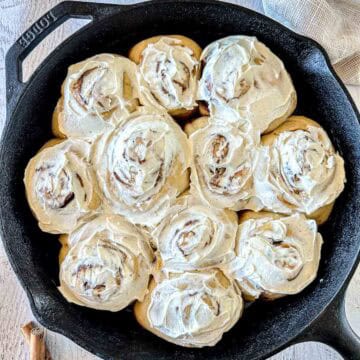
Sourdough Cinnamon Rolls are soft, fluffy, naturally leavened rolls with buttery layers and a gooey coconut sugar cinnamon swirl. The dough is made with active sourdough starter and honey, then shaped the day before and refrigerated overnight so they're ready to proof and bake for Christmas morning or a cozy weekend breakfast. Instead of a super-sweet cream cheese icing, I top them with homemade honey-vanilla labneh frosting that's thick, creamy, tangy, and just sweet enough.
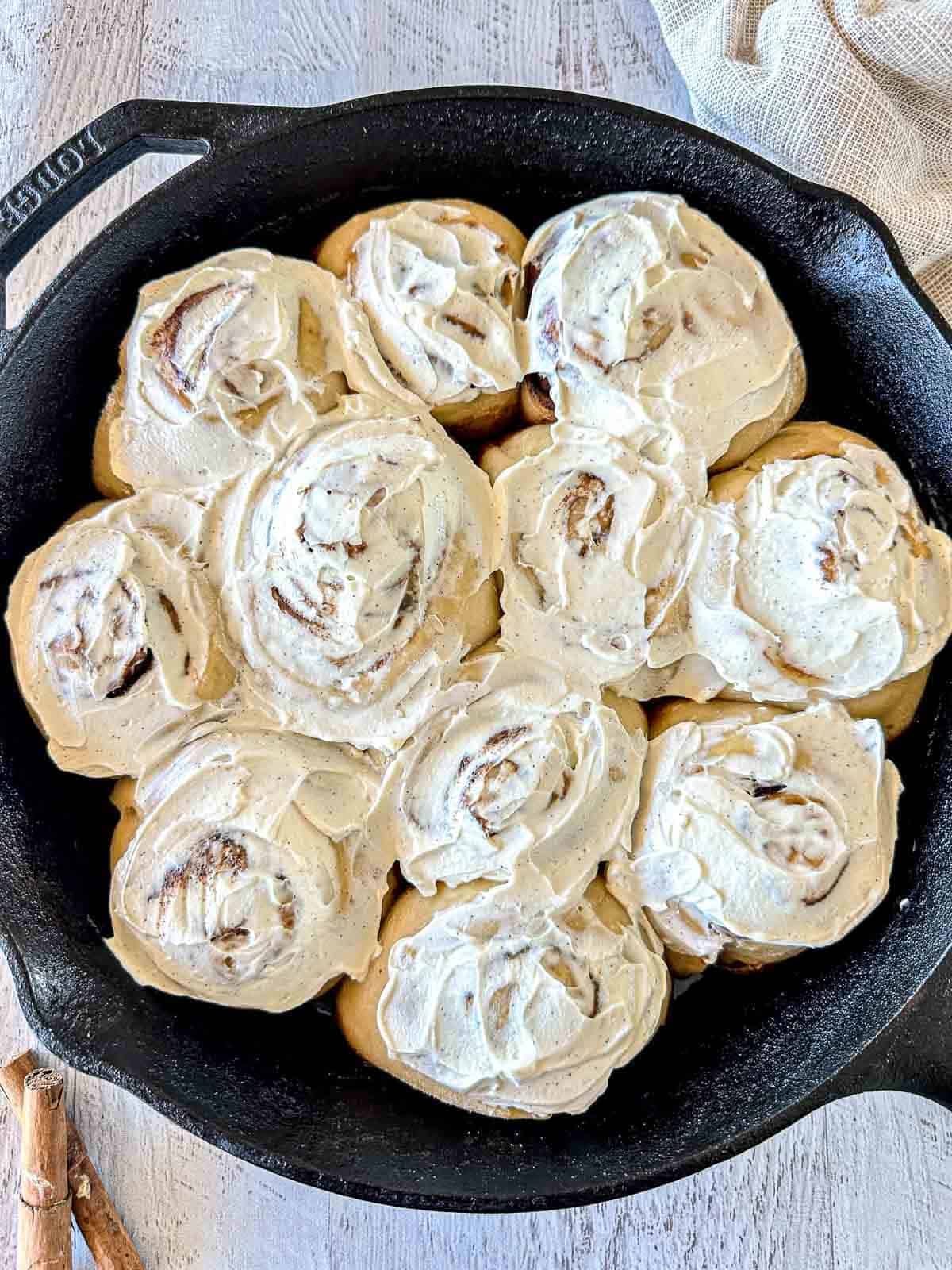
Recipe At A Glance
- 🍞 Sourdough: Made with active sourdough starter, not discard
- ⏱️ Dough Prep: About 15-20 minutes
- 🌙 Method: Bulk fermented, shaped, then refrigerated overnight
- 🔥 Bake Temperature: 350°F
- 👥 Makes: 12 cinnamon rolls
- 🎄 Best For: Christmas morning, holiday brunch, weekends, and special breakfasts
- 🍯 Sweeteners: Honey in the dough and coconut sugar in the filling
- ✨ What Makes Them Different: Soft sourdough cinnamon rolls topped with homemade honey-vanilla labneh frosting instead of traditional cream cheese icing
Why I Make Cinnamon Rolls With Labneh Frosting
Labneh has been part of my life for as long as I can remember. Growing up, my mom made it at home all the time, and I even went to school with labneh tucked into homemade pita bread. For years, I've mixed homemade labneh with a little honey and vanilla and used it as frosting for cinnamon rolls around Christmas. It has that thick, creamy texture you expect from cream cheese frosting, but the tang keeps the whole thing from tasting overly sweet.
The dough took a little more work to get right. My first batch was easy to shape but drier than I wanted, so I kept adjusting the hydration until I got a softer, fluffier dough that was still manageable to roll. I also learned that enriched sourdough has its own timeline, so using a strong starter and letting the dough become properly puffy matters much more than watching the clock.
And while I have a background in nutrition coaching, I'm not interested in turning a cinnamon roll into diet food. I'd rather make the real thing with good ingredients and make sure it tastes incredible.
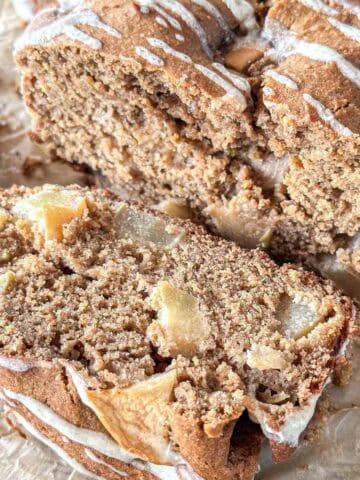
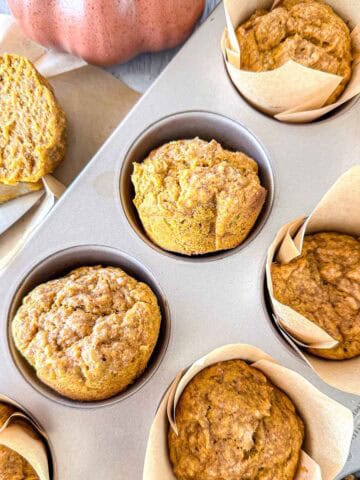
If you're looking for more easy sourdough recipes, try my Sourdough Pumpkin Muffins, Apple Cinnamon Sourdough Bread, or Sourdough Pound Cake. And if you've never made labneh before, start with my Turkish Labneh, which is the base for the frosting.
Jump to:
- Recipe At A Glance
- Why I Make Cinnamon Rolls With Labneh Frosting
- Ingredients You'll Need
- Substitutions And Variations
- How To Make Sourdough Cinnamon Rolls
- Overnight Sourdough Cinnamon Roll Timeline
- Nadia's Expert Tips And Notes
- What to Serve With Sourdough Cinnamon Rolls
- Storage And Reheating
- Recipe FAQs
- More Sourdough Recipes You'll Love!
- Soft Sourdough Cinnamon Rolls With Labneh Frosting
Ingredients You'll Need
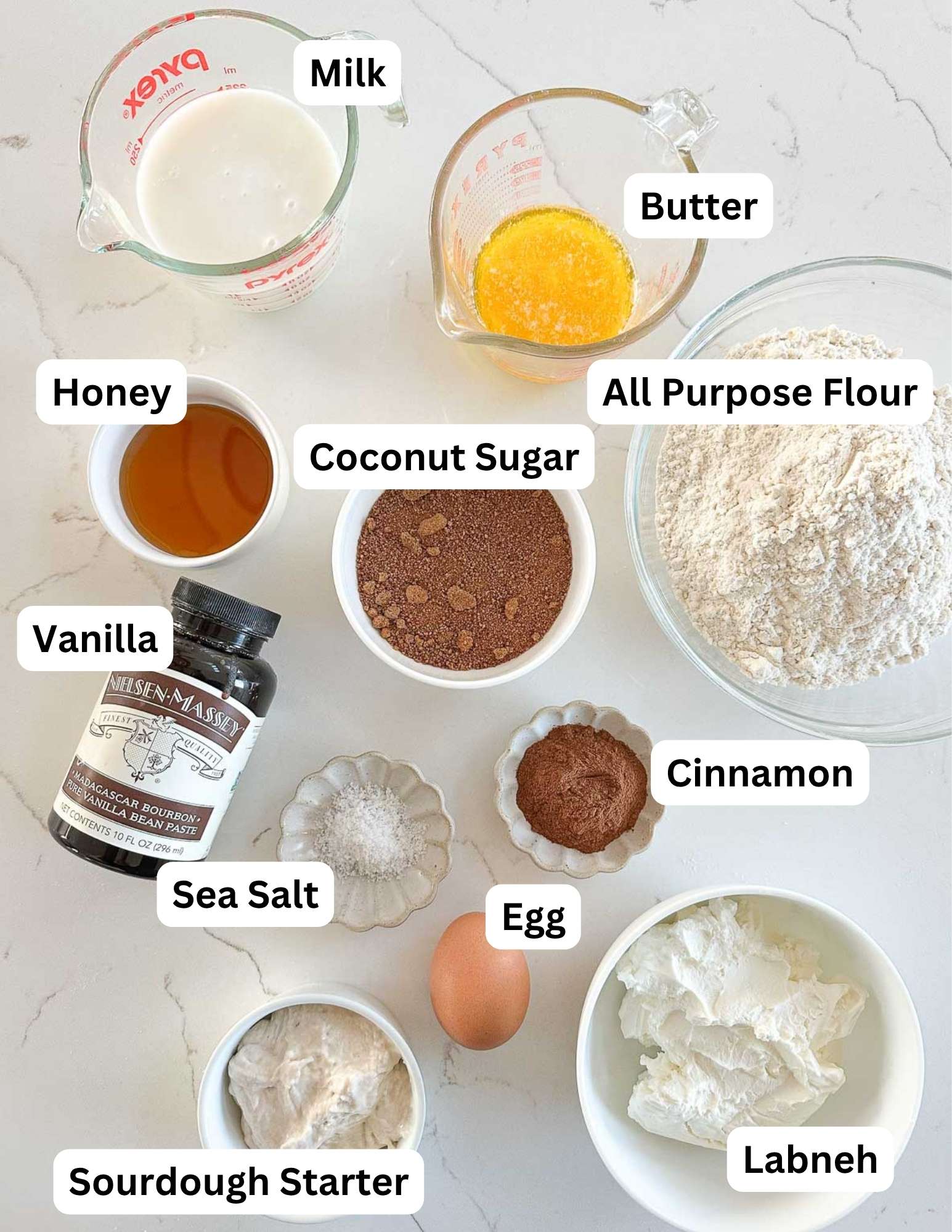
Sourdough Cinnamon Roll Dough
- Active Sourdough Starter: Use an active, bubbly starter that is at or near its peak and has at least doubled after feeding. This recipe relies on the starter for its rise, so I do not recommend using unfed sourdough discard here.
- Whole Milk: Whole milk helps keep the dough rich, soft, and tender. I developed this recipe with full-fat milk and prefer grass-fed whole milk when I can find it.
- Honey: Honey gives the dough a gentle sweetness without overpowering the sourdough. I typically use raw organic honey because that's what I keep on hand, but any good-quality honey will work. I also love how its warm flavor carries through to the honey used in the labneh frosting.
- Egg: One pasture-raised egg adds richness and structure while helping create a soft, fluffy dough.
- All-Purpose Flour: I prefer organic unbleached all-purpose flour because it gives the rolls enough structure while still keeping the crumb soft. Bread flour has more protein and can make cinnamon rolls a little chewier, which is not what I wanted for this recipe.
- Sea Salt: A small amount of sea salt balances the sweetness and brings out the flavor in the dough.
- Unsalted Butter: Melted butter adds richness and helps keep the cinnamon rolls tender. I typically use grass-fed butter like Kerrygold, and I weigh it before melting so the measurement stays consistent.
Cinnamon Filling
- Butter: Butter keeps the cinnamon-sugar layers rich and soft while helping the filling stay in place. Make sure you spread it evenly over the dough so every roll gets plenty of filling.
- Coconut Sugar: I love coconut sugar here because it has a deeper, almost caramel-like flavor that pairs really well with cinnamon.
- Cinnamon: Cinnamon gives the filling its warm, classic flavor. I use enough to make the swirl noticeable without overpowering the sourdough or tangy labneh frosting.
Honey Labneh Frosting
- Prepared Labneh: I make this using my Turkish Labneh Recipe, which starts with full-fat Greek yogurt and sea salt and strains for about 24 hours until thick and creamy. The finished labneh should be thick enough to spread so the frosting stays creamy rather than runny.
- Honey: I only use a small amount because I prefer this frosting tangy and cream-cheese-like rather than very sweet. Start with the amount listed, then add more if you prefer a sweeter frosting.
- Vanilla Bean Paste: Vanilla bean paste adds warm vanilla flavor and little flecks of vanilla throughout the frosting. Vanilla extract will also work if that is what you have.
See the recipe card for full information on ingredients and quantities.
Substitutions And Variations
- Vanilla Extract: If you don't have vanilla bean paste, vanilla extract works well in the labneh frosting.
- Brown Sugar: Brown sugar can be used in place of the coconut sugar if that is what you keep on hand. It will give the filling a more traditional brown-sugar flavor and make it a little sweeter.
- Cream Cheese Frosting: If you don't want to make labneh, you can use your favorite cream cheese frosting. The honey labneh is what makes this version uniquely mine, though, and its tang is especially good against the sweet cinnamon filling.
- Sourdough Discard: I would not substitute unfed discard in this recipe. The cinnamon rolls rely on active sourdough starter to ferment and rise.
- Milk: I developed these with whole milk because I wanted a soft, rich dough. I have not tested them with low-fat or dairy-free milk, so whole milk is what I recommend for the best texture.
How To Make Sourdough Cinnamon Rolls
This is an overview with step-by-step photos. Full ingredients & instructions are in the recipe card below.
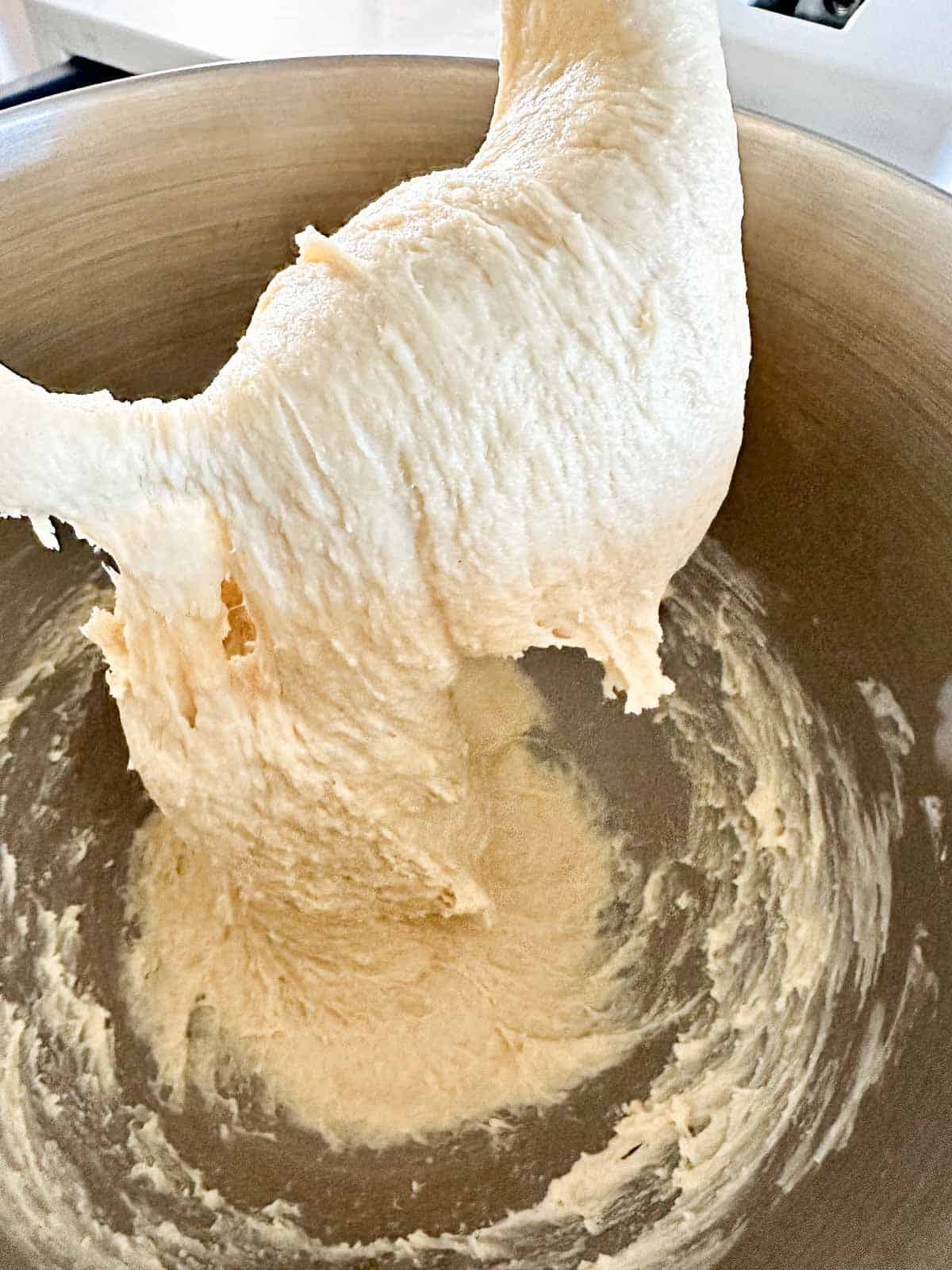
- Step 1: Mix and knead the dough. Add the active sourdough starter, whole milk, honey, egg, flour, sea salt, and melted butter to the bowl of a stand mixer fitted with the dough hook. Mix on low for 2-3 minutes, then knead on medium-low for another 8-12 minutes, until the dough is smooth, soft, elastic, and slightly tacky.
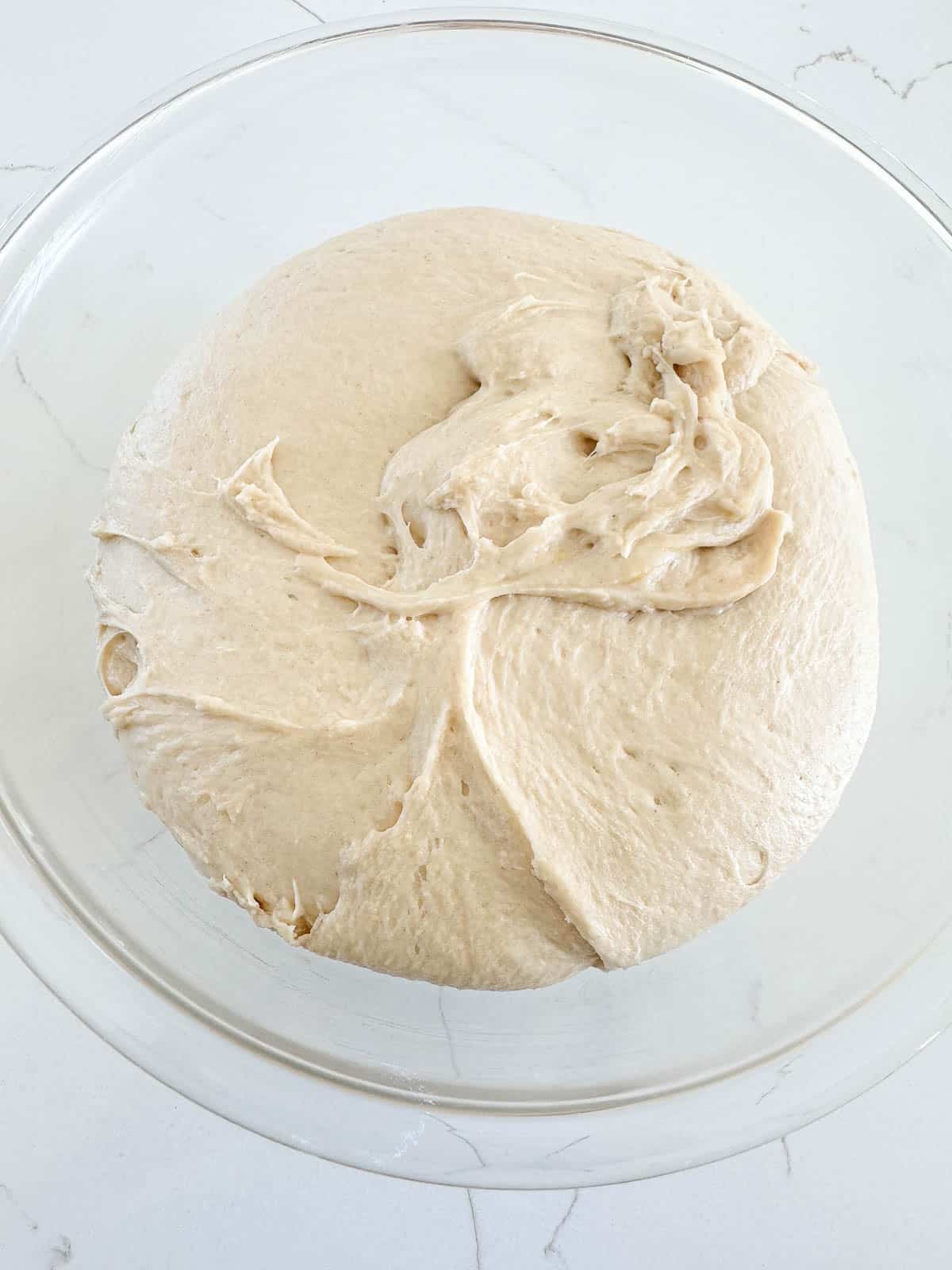
- Step 2: Bulk ferment. Transfer the dough to a lightly buttered bowl or straight-sided container and cover. Let it rise in a warm place, ideally around 78-82°F, until it has increased in volume by about 50-75%. This will usually take about 5-7 hours, but let the dough tell you when it is ready rather than relying only on the clock.
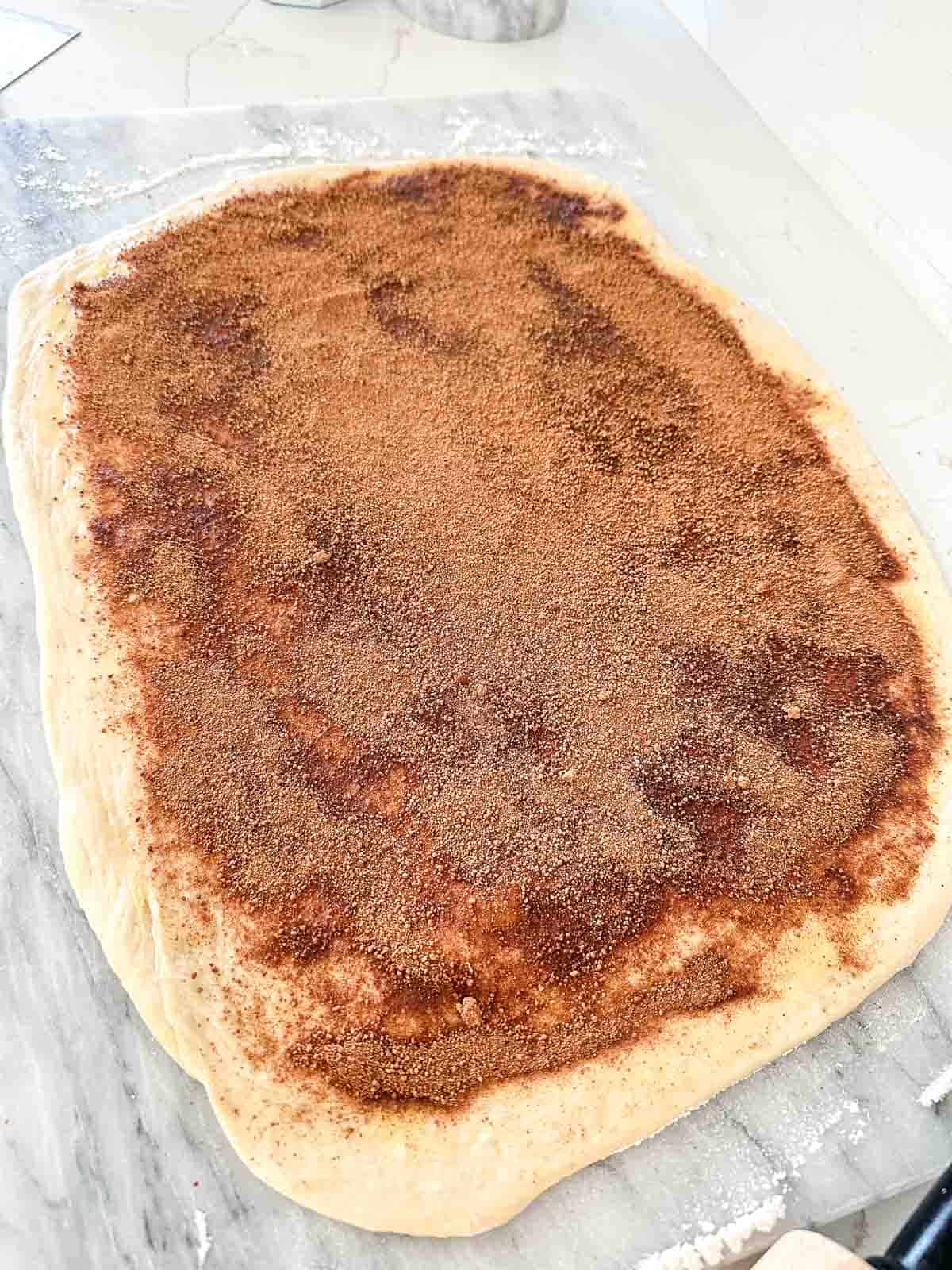
- Step 3: Roll out the dough and add the filling. Stir the coconut sugar and cinnamon together in a small bowl. Turn the dough onto a lightly floured surface and roll it into roughly a 12 x 18-inch rectangle. Spread the butter evenly over the dough, then sprinkle the cinnamon-coconut sugar mixture evenly over the top.
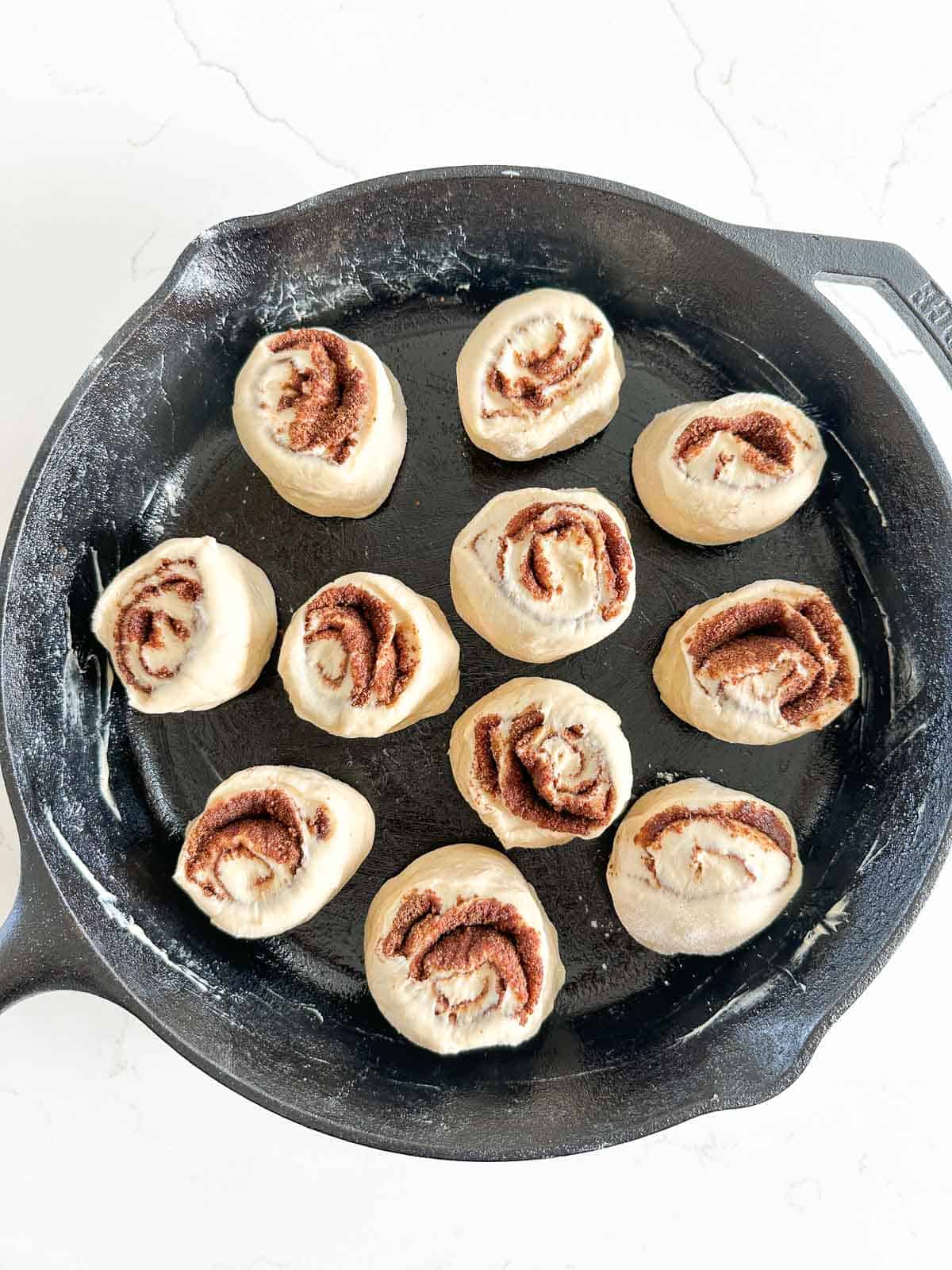
- Step 4: Roll, cut, and refrigerate. Starting with one of the long sides, roll the dough into a snug log. Cut it into 12 even rolls, about 1½ inches wide each, then arrange them in a buttered 9 x 13-inch baking dish. Cover tightly and refrigerate overnight.
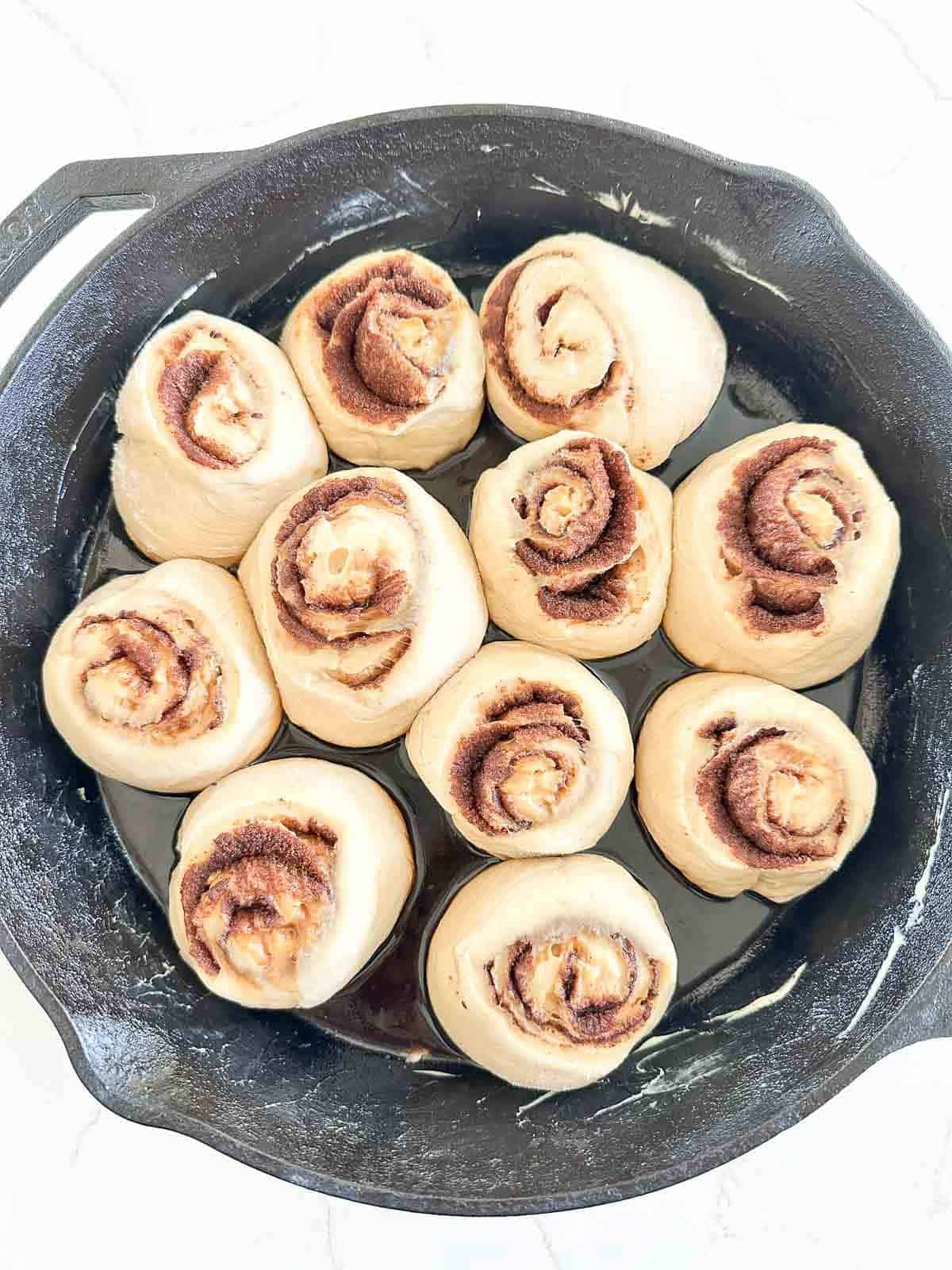
- Step 5: Finish proofing. The next morning, remove the rolls from the refrigerator and keep them covered while they come to room temperature and finish proofing. This usually takes about 1½-3 hours. They are ready when they look noticeably puffy, have expanded into one another, and feel light and soft rather than firm when gently touched.
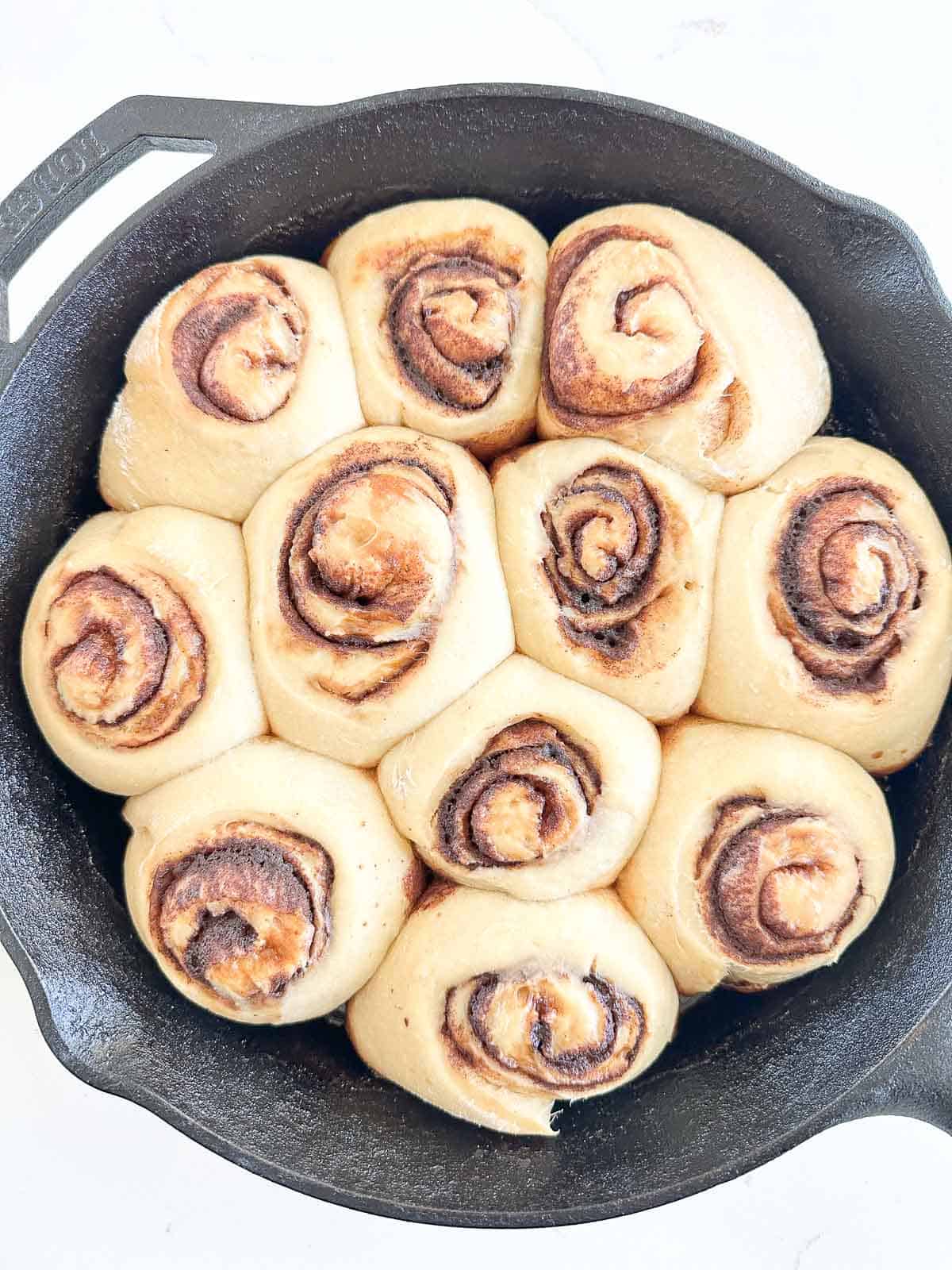
- Step 6: Bake. Preheat the oven to 350°F while the rolls finish proofing. Bake on the center rack for about 22-25 minutes, or until the center rolls are baked through but still soft. If you're using an instant-read thermometer, look for about 190-195°F in the center. Don't continue baking just because the tops aren't deeply golden.
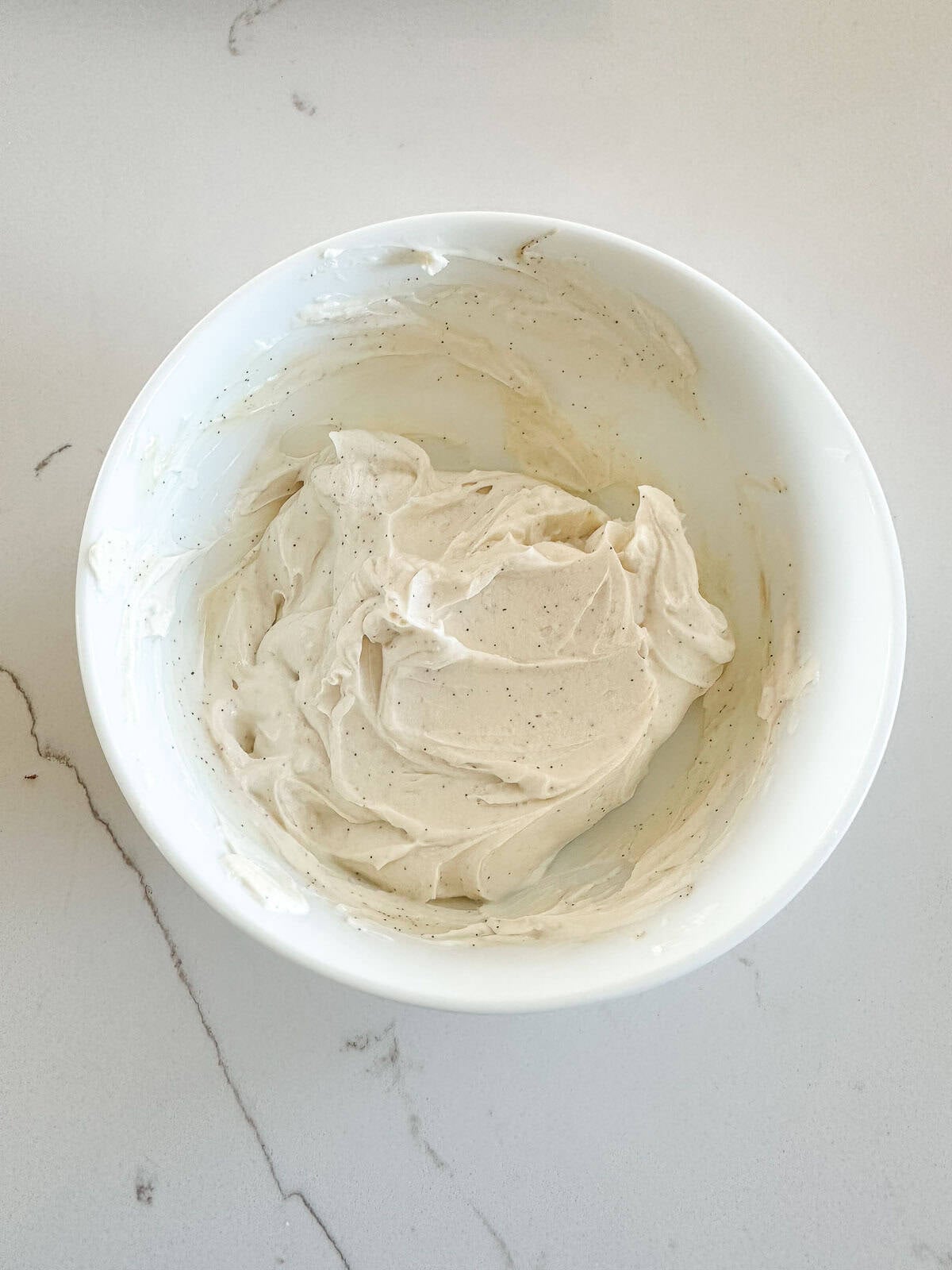
- Step 7: Make the labneh frosting. Stir the prepared labneh, honey, and vanilla bean paste together until smooth and creamy. I like the frosting tangy and only lightly sweet, but you can add additional honey if you prefer it sweeter. You can also make the frosting ahead of time and keep it covered in the refrigerator until you're ready to frost the cinnamon rolls.
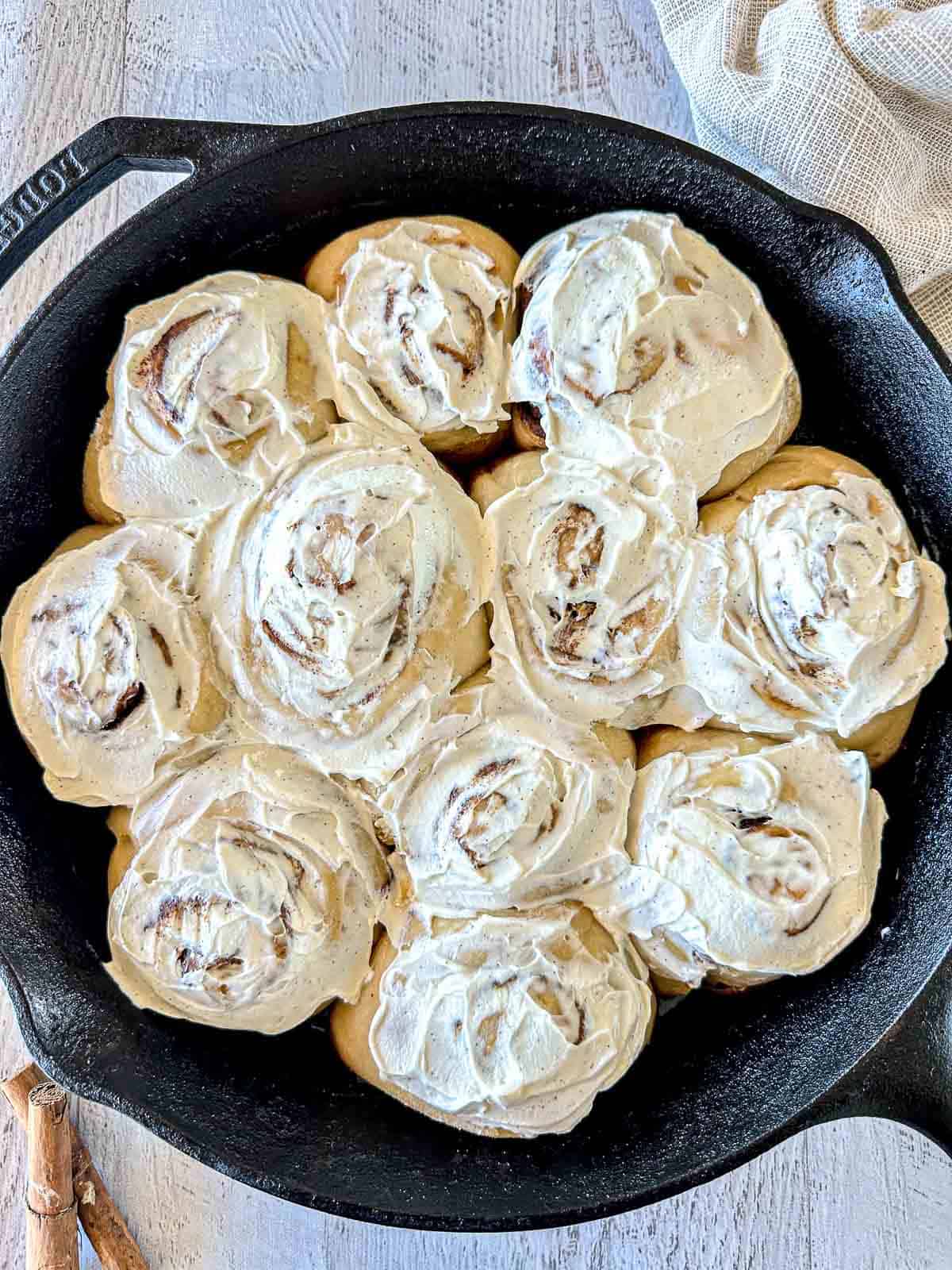
- Step 8: Frost and serve. Let the cinnamon rolls cool for about 10 minutes, then spread the honey labneh frosting over the warm rolls and serve.
Overnight Sourdough Cinnamon Roll Timeline
| Stage | Approximate Timing |
|---|---|
| Mix and knead dough | 15 - 20 minutes |
| Bulk fermentation | ~ 5 - 7 hours |
| Roll, fill, cut, and shape | ~ 20 minutes |
| Refrigerate | Overnight |
| Final proof the next morning | ~ 1.5 - 3 hours |
| Bake | ~ 22 - 25 minutes |
| Cool before frosting | ~ 10 minutes |
The exact fermentation times can change depending on your starter and room temperature, so use this as a planning guide rather than a strict schedule.
Nadia's Expert Tips And Notes
- Start with a strong starter: This dough contains milk, egg, honey, and butter, so it needs an active starter with enough strength to lift an enriched dough. I use mine when it is bubbly, risen, and at or near its peak.
- Don't panic if the dough rises slowly: During testing, my dough barely moved during the first few hours. Once it had more time in a warm spot, the fermentation became much more noticeable. Look for a 50-75% increase instead of expecting it to double on a strict timeline.
- Let the shaped rolls get really puffy: The final proof matters if you want soft, fluffy cinnamon rolls. They should look noticeably larger, feel light, and expand into each other before you bake them.
- Use all of the filling butter: Make sure the butter reaches almost all the way to the edges before adding the cinnamon-coconut sugar mixture. It helps keep those spiraled layers rich and soft.
- Don't chase a dark golden top: My rolls were fully baked before the tops became deeply golden. Use the center of the rolls as your guide and check for an internal temperature around 190-195°F so you don't dry them out just for more color.
What to Serve With Sourdough Cinnamon Rolls
Sourdough cinnamon rolls are rich and sweet, so I like to round out the table with something savory, something fresh, and a really good cup of coffee. Here's how I build a breakfast or brunch around them.
- Christmas Morning Breakfast: These are made for a slow Christmas morning. Pair them with eggs, breakfast sausage or bacon, fresh fruit, and plenty of coffee so there is something savory alongside the cinnamon rolls. If you have a Traeger, my Smoked Bacon makes the whole morning feel extra special, and my Sheet Pan Breakfast Hash is an easy one-pan savory side that keeps cleanup simple.
- High-Protein Breakfast: If you're serving a crowd, pair the rolls with my Cottage Cheese Egg Bake for an easy sweet-and-savory brunch. For something the kids can grab with their hands, my High Protein Egg Bites are a great fit too.
- Fresh Fruit: Berries, sliced pears, citrus, or a simple bowl of seasonal fruit keeps the rest of breakfast fresh and light next to the rich cinnamon rolls. If you want to add a little protein, my Cottage Cheese With Fruit Breakfast Bowl works beautifully on a brunch table.
- Coffee and Tea: Serve them with hot coffee, espresso, black tea, or your favorite latte. The tangy labneh frosting is especially good with a strong cup of coffee.
Storage And Reheating
- Refrigerator: Because these cinnamon rolls are topped with labneh frosting, store leftovers in an airtight container in the refrigerator for up to 3 days. Warm them gently in a 300°F oven until just heated through so they stay soft.
- Freezer: For the best texture, freeze the cinnamon rolls without the labneh frosting. Wrap them well and freeze for up to 2 months. Thaw overnight in the refrigerator, warm gently in the oven, then add fresh labneh frosting before serving.
- Make Ahead: Make the labneh at least a day ahead so it has the full 24 hours to strain. You can also mix the finished labneh with the honey and vanilla bean paste ahead of time and keep the frosting covered in the refrigerator. Prepare and shape the cinnamon rolls the day before, refrigerate them overnight, then all you need to do in the morning is finish proofing, bake, and frost.
Save This Recipe! 📧
Recipe FAQs
Yes. This recipe is designed to be made ahead. After the dough finishes its bulk fermentation, roll, fill, and cut the cinnamon rolls. Then cover the pan and refrigerate it overnight. The next morning, let the rolls finish proofing at room temperature until very puffy before baking.
I don't recommend it for this recipe. I developed these cinnamon rolls with active sourdough starter because the starter is responsible for fermenting and lifting the dough. Unfed discard may not have enough activity to give you the same rise.
The first bulk fermentation usually takes about 5-7 hours in a warm environment, followed by an overnight rest in the refrigerator. The next morning, plan on another 1½-3 hours for the shaped rolls to finish proofing. Sourdough timing can vary, so look for visible changes in the dough rather than relying only on the clock.
Bake these sourdough cinnamon rolls at 350°F for about 22-25 minutes. The center rolls should be cooked through but still soft. An instant-read thermometer inserted into the center should read around 190-195°F.
A weak starter, not enough fermentation time, or baking the rolls before they have fully proofed can all give you a denser cinnamon roll. Make sure your starter is active and bubbly before mixing the dough, let the bulk fermentation reach about 50-75% growth, and give the shaped rolls enough time to become very puffy before baking.
Yes. I prefer freezing them without the labneh frosting. Once the rolls are completely cool, wrap them well and freeze for up to 2 months. Thaw them in the refrigerator overnight, warm them gently in the oven, then frost before serving.
Once frosted with labneh, store the cinnamon rolls covered in the refrigerator and enjoy them within about 3 days. For the softest texture, warm only the amount you plan to eat and add a little extra labneh frosting after warming if you have some left.
More Sourdough Recipes You'll Love!

If you tried this recipe please leave a 🌟 star rating and let me know how it went in the 📝 comments below. You can also stay in touch through social media by following along on Instagram, Pinterest, YouTube, or Facebook. Thanks for visiting today!
Soft Sourdough Cinnamon Rolls With Labneh Frosting
Equipment
- 1 Stand mixer with dough hook
- 1 Digital Kitchen Scale
- 1 Mixing Bowl
- 1 Rolling Pin
- 1 12 inch Cast Iron Skillet
- 1 Bench scraper or sharp knife
- 1 Instant Read Thermomitor optional
Ingredients
Sourdough Cinnamon Roll Dough
- 100 g Active Sourdough Starter about ½ cup, 100% hydration and at or near peak
- 225 g Whole Milk scant 1 cup, slightly warm
- 40 g Honey about 2 tablespoons
- 1 Large egg about 50 g
- 390 g Unbleached All-purpose Flour about 3¼ cups
- 8 g Fine Sea Salt about 1½ teaspoons
- 75 g Unsalted Butter about 5 tablespoons + 1 teaspoon, weighed before melting, then melted and slightly cooled
Coconut Sugar Cinnamon Filling
- 55 g Unsalted Butter about 4 tablespoons, melted
- 150 g Coconut Sugar ¾ cup
- 1½ tablespoons Ground Cinnamon
Honey Labneh Frosting
- 225 g Prepared Labneh about 1 cup, made using my Turkish labneh recipe
- 15 g Honey plus more to taste
- 5 g Vanilla Bean Paste
Instructions
- Mix and knead the dough. Add the active sourdough starter, whole milk, honey, egg, flour, sea salt, and melted butter to the bowl of a stand mixer fitted with the dough hook. Mix on low for 2-3 minutes, then knead on medium-low for another 8-12 minutes, until the dough is smooth, soft, elastic, and slightly tacky.100 g Active Sourdough Starter, 225 g Whole Milk, 40 g Honey, 1 Large egg, 390 g Unbleached All-purpose Flour, 8 g Fine Sea Salt, 75 g Unsalted Butter
- Bulk ferment. Transfer the dough to a lightly buttered bowl or straight-sided container and cover. Let it rise in a warm place, ideally around 78-82°F, until it has increased in volume by about 50-75%. This will usually take about 5-7 hours, but go by the look and feel of the dough rather than the clock.
- Roll out the dough and add the filling. In a small bowl, stir together the coconut sugar and cinnamon. Turn the dough onto a lightly floured surface and roll it into roughly a 12 x 18-inch rectangle. Spread all 55 g of butter evenly over the dough, then sprinkle the cinnamon-coconut sugar mixture evenly over the top.150 g Coconut Sugar, 1½ tablespoons Ground Cinnamon, 55 g Unsalted Butter
- Roll, cut, and refrigerate. Starting with one of the long sides, roll the dough into a snug log. Cut into 12 even rolls, about 1½ inches wide each, then place them in a buttered 9 x 13-inch baking dish. Cover tightly and refrigerate overnight.
- Finish proofing. The next morning, remove the rolls from the refrigerator and keep them covered while they come to room temperature and finish proofing. This usually takes about 1½-3 hours. They are ready when they look noticeably puffy, soft, and expanded into one another.
- Bake. Preheat the oven to 350°F while the rolls finish proofing. Bake on the center rack for about 22-25 minutes, or until the center rolls are baked through and still soft. If using an instant-read thermometer, look for about 190-195°F in the center. Do not keep baking just to get deeply golden tops.
- Make the labneh frosting. Stir together the prepared labneh, 15 g honey, and vanilla bean paste until smooth and creamy. I prefer the frosting tangy and only lightly sweet, but you can add more honey if you want it sweeter.225 g Prepared Labneh, 15 g Honey, 5 g Vanilla Bean Paste
- Frost and serve. Let the cinnamon rolls cool for about 10 minutes, then spread the labneh frosting over the warm rolls and serve.
Notes
- Start with a strong starter: This dough contains milk, egg, honey, and butter, so it needs an active starter with enough strength to lift an enriched dough. I use mine when it is bubbly, risen, and at or near its peak.
- Don't panic if the dough rises slowly: During testing, my dough barely moved during the first few hours. Once it had more time in a warm spot, the fermentation became much more noticeable. Look for a 50-75% increase instead of expecting it to double on a strict timeline.
- Let the shaped rolls get really puffy: The final proof matters if you want soft, fluffy cinnamon rolls. They should look noticeably larger, feel light, and expand into each other before you bake them.
- Use all of the filling butter: Make sure the butter reaches almost all the way to the edges before adding the cinnamon-coconut sugar mixture. It helps keep those spiraled layers rich and soft.
- Don't chase a dark golden top: My rolls were fully baked before the tops became deeply golden. Use the center of the rolls as your guide and check for an internal temperature around 190-195°F so you don't dry them out just for more color.


Leave a Reply