

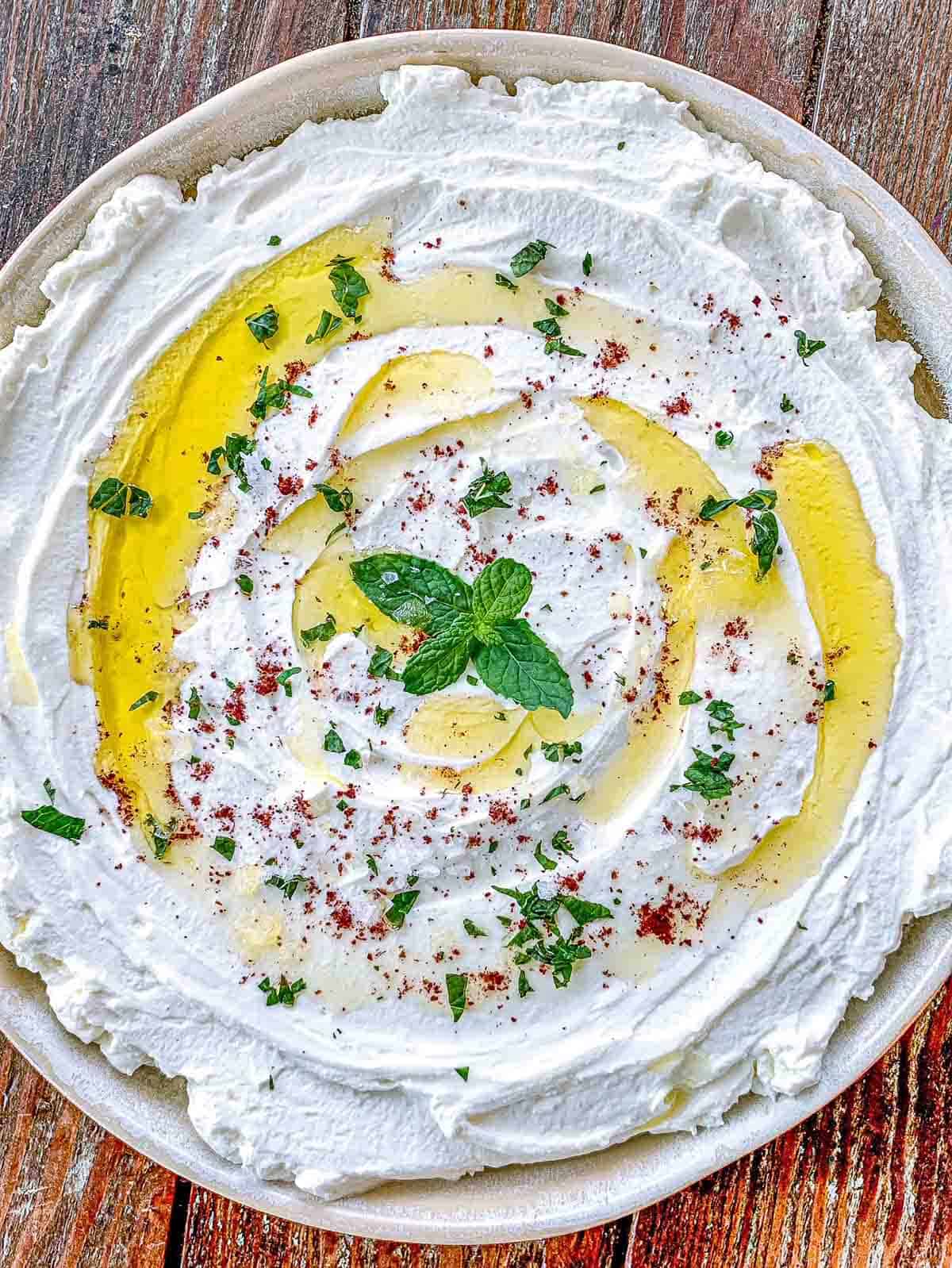
Turkish Labneh is a thick and tangy yogurt cheese made by straining Greek yogurt with salt until it becomes rich, creamy, and easy to spread. This simple two-ingredient Middle Eastern staple is served for breakfast, added to mezze platters, scooped up with warm pita, or used in place of cream cheese. My version uses full-fat, grass-fed Greek yogurt and strains for 24 hours to create the thick texture I grew up eating.
Recipe At A Glance
- 🥣 Ingredients: Just 2 simple ingredients
- ⏱️ Active Prep: About 5 minutes
- 🌙 Straining Time: 24 hours
- 🧀 Texture: Thick, creamy, tangy, and spreadable
- 🍽️ Best For: Breakfast, mezze platters, bagels, sandwiches, and dips
- 🥄 Method: Greek yogurt strained until the whey separates
- ✨ What Makes It Different: A traditional Turkish labneh recipe made with full-fat, grass-fed Greek yogurt and the same simple method I grew up eating
Growing up, my mom made labneh at home every week, sometimes more than once. While other kids went to school with turkey sandwiches, I went with a labneh sandwich tucked into homemade pita bread. That's how normal it was in our house. It wasn't a special-occasion food. It was just what we always had in the fridge.
I still remember walking into the kitchen and seeing cheesecloth hanging from the faucet. I knew a fresh batch of labneh was on the way, and honestly, I got excited every time. We ate it for breakfast, spread it on pita for lunch, and served it alongside dinner.
These days, I still make this Turkish labneh recipe the same simple way, but I use a colander lined with coffee filters instead of cheesecloth. It works just as well, cleanup is easier, and the finished labneh still has that thick, creamy texture I grew up eating.
Labneh is one of those foods that fits into just about any meal. I serve it as a labneh dip with olive oil and za'atar, spread it on bagels and sandwiches, or use it in place of cream cheese and sour cream in recipes. It's simple, familiar, and one of those recipes I keep coming back to.
If you're looking for more easy Middle Eastern recipes, try my Turkish Potato Salad or build a mezze platter with my Creamy Arabic Hummus and Whipped Feta With Blistered Tomatoes.
What is Turkish Labneh?
Turkish labneh cheese is made by straining yogurt until much of the whey drains away, leaving behind a thick, tangy, spreadable yogurt cheese. It is creamier than Greek yogurt and similar in texture to soft cream cheese, though the flavor is a little sharper and more savory.
Labneh is a staple across Middle Eastern cooking and is often served for breakfast, added to a mezze platter, or enjoyed as a simple labneh dip with olive oil, za'atar, and warm pita. It can be spread on toast and bagels, spooned over vegetables, or used in recipes that call for cream cheese or sour cream.
So, what is labneh food exactly? Think of it as yogurt transformed into a soft cheese through time and straining. There is no complicated cheesemaking involved, and once the liquid drains away, you are left with a rich labneh yogurt cheese that works in both sweet and savory dishes.
Ingredients You'll Need
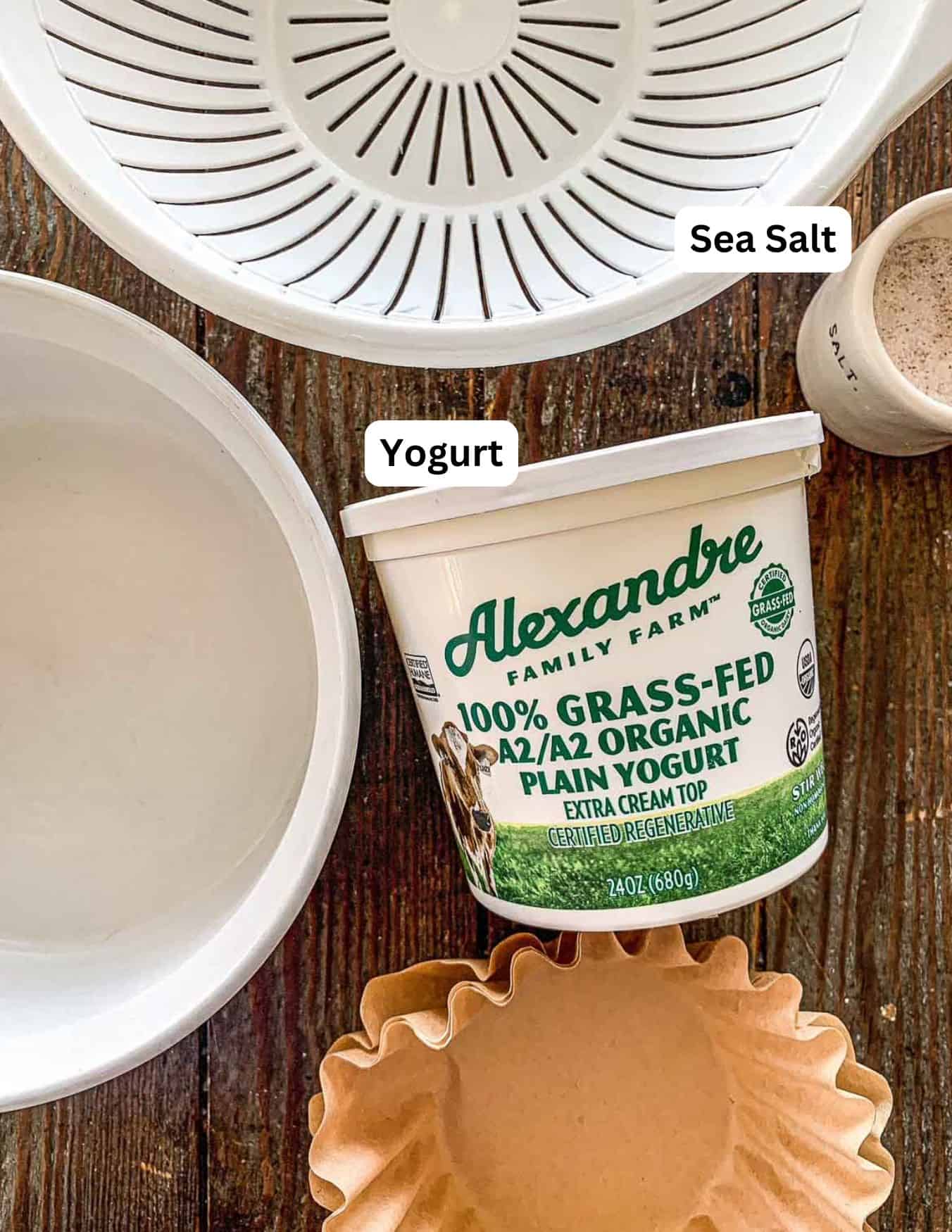
- Plain Full-Fat Greek Yogurt: This is the base of the recipe, so quality really matters. I like using full-fat, grass-fed Greek yogurt because it gives the labneh a thick, creamy texture and rich flavor. Regular plain yogurt can work, but it contains more liquid and may need extra straining time.
- Sea Salt: Salt seasons the yogurt and helps draw out the whey as it strains. You only need a small amount, but it makes a big difference in the final flavor and texture.
For serving, I like to finish the labneh with extra virgin olive oil, za'atar, sumac, fresh herbs, or a drizzle of honey.
Please see the recipe card for full information on ingredients and quantities.
Substitutions And Variations
- Low-Fat Greek Yogurt: You can use low-fat Greek yogurt, but the finished labneh will be lighter and may need a little more time to strain. Full-fat yogurt gives me the thickest, creamiest texture.
- Regular Plain Yogurt: Regular yogurt works, but it contains more liquid than Greek yogurt. Plan on a longer straining time and a slightly smaller yield.
- Sweet Labneh: Stir in a little honey, maple syrup, or vanilla after straining. This version is great on toast, fruit, waffles, or cinnamon rolls.
- Herb Labneh: Mix in chopped dill, parsley, mint, chives, or garlic for a savory spread that works well with pita, vegetables, and sandwiches.
- Spicy Labneh: Add cayenne, Aleppo pepper, chili flakes, or hot honey for a little heat.
- Labneh Balls: Strain the yogurt longer until the labneh is firm enough to shape, then roll it into small balls. Coat them with za'atar, herbs, sesame seeds, or spices and serve them as part of a mezze platter.
How To Make Turkish Labneh
This is an overview with step-by-step photos. Full ingredients & instructions are in the recipe card below.
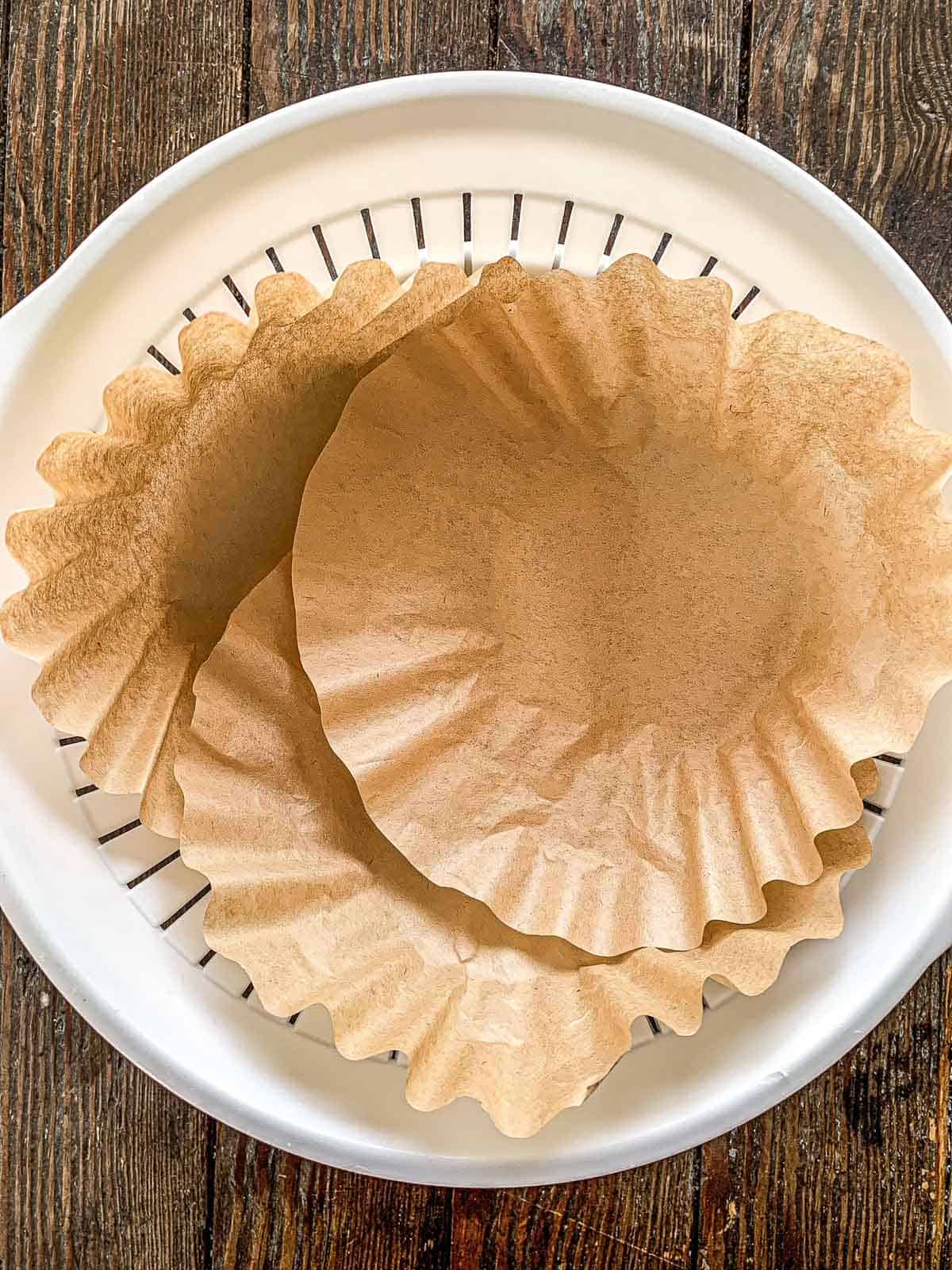
- Step 1. Prepare the strainer. Place a colander over a deep bowl, making sure there is enough space underneath for the whey to collect. Line the colander with cheesecloth, a clean flour-sack towel, or several overlapping coffee filters.
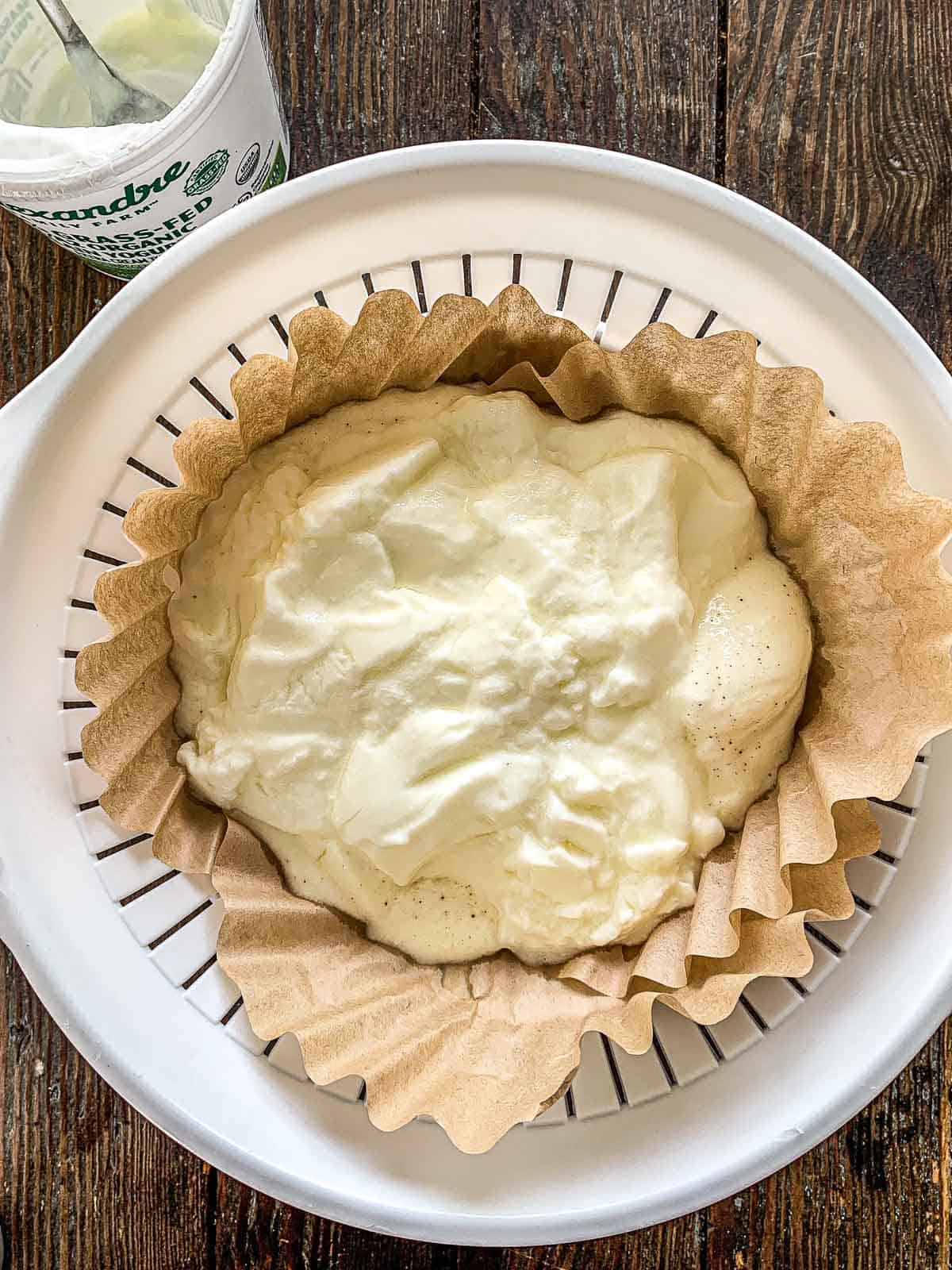
- Step 2. Add the salt. Place the full-fat Greek yogurt in the lined colander, sprinkle the sea salt over the top, and gently stir until the salt is mixed evenly throughout the yogurt.
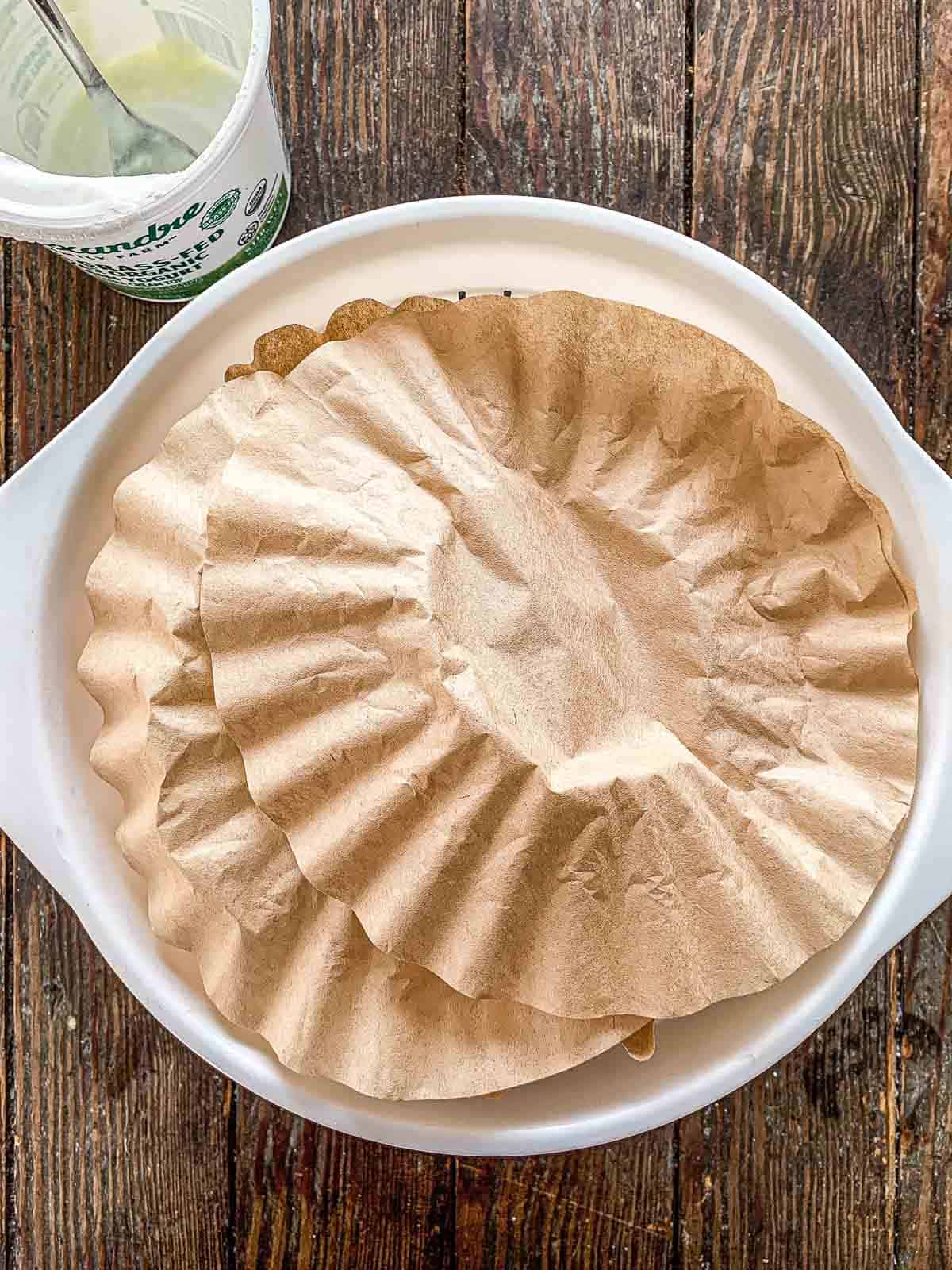
- Step 3. Cover and strain. Fold the cheesecloth or towel over the yogurt, or cover it with extra coffee filters. Place the entire bowl and colander setup in the refrigerator and let the yogurt strain for 24 hours.
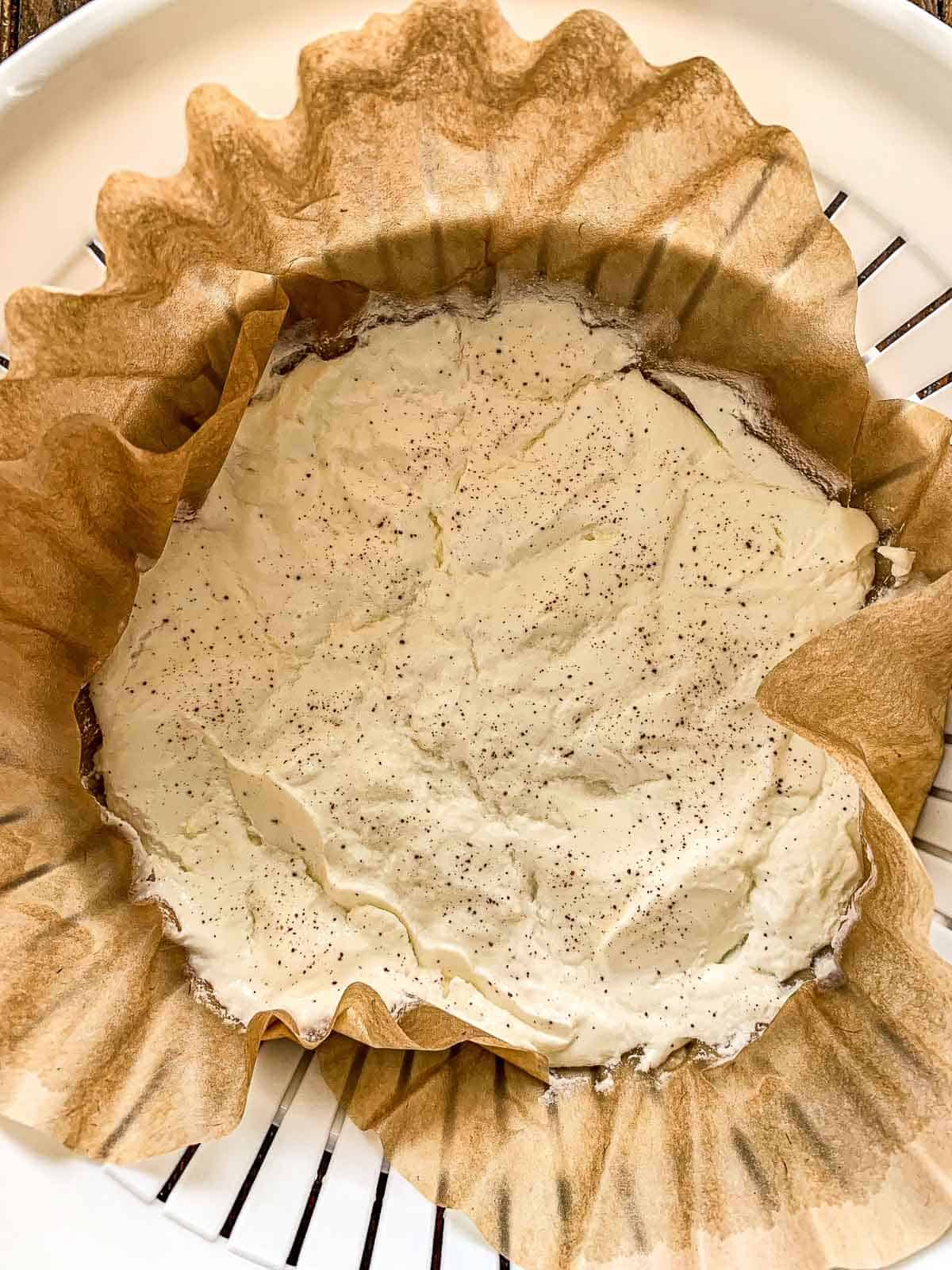
- Step 4. Check the texture. After 24 hours, uncover the yogurt and check the consistency. The Turkish labneh should be thick, creamy, and spreadable. If it still looks softer than you would like, let it strain for a few more hours.
- Step 5. Transfer and serve. Spoon the finished labneh into a shallow serving bowl. Use the back of a spoon to create a small well, then drizzle it with extra virgin olive oil and add your favorite labneh toppings.
Can you Use Labneh Instead Of Cream Cheese?
Yes, labneh works well in place of cream cheese in many recipes. I use labneh cream cheese-style on bagels, toast, sandwiches, and wraps, and it pairs especially well with smoked salmon, turkey, fresh herbs, or a drizzle of honey.
Every Christmas, I mix labneh with a little honey and vanilla and use it as the frosting for cinnamon rolls. It is tangy, rich, and creamy, and no one has ever guessed that I swapped the traditional cream cheese frosting. I also use labneh in the filling for my Green Chile Chicken Enchiladas when I want that same creamy texture with a little more tang.
Turkish cream cheese and labneh are not exactly the same, though. Labneh is made from strained yogurt, so it has a sharper flavor and the texture can vary depending on the yogurt and how long it strains. A firmer batch works best when you need something close to block cream cheese, while a softer batch is better for spreading, dipping, and spooning over meals.
Save This Recipe! 📧
Nadia's Expert Tips & Tricks
- Use Plain, Full-Fat Greek Yogurt: Choose plain, unsweetened Greek yogurt with no added flavors. Full-fat Greek yogurt gives this Turkish labneh recipe the thickest, creamiest texture, while flavored yogurt will change the taste and may contain added sugar that does not work well in savory labneh.
- Give It The Full 24 Hours: I have made labneh for years, and 24 hours gives me the thick, spreadable texture I grew up eating. Check it sooner if you want a softer labneh dip, or strain it longer if you want it firm enough to shape into labneh balls.
- Keep The Colander Above The Whey: Make sure the bottom of the colander does not sit in the liquid that drains from the yogurt. If the yogurt touches the whey, it will not continue to thicken as well.
- Coffee Filters Make Cleanup Easy: Traditional cheesecloth works well, but I usually line my colander with overlapping coffee filters. They hold the yogurt in place, strain it evenly, and can be tossed when you are done.
- Let The Texture Guide You: Different yogurt brands contain different amounts of liquid, so the exact timing can vary. Your labneh yogurt cheese is ready when it holds its shape on a spoon and spreads easily without running.
What to serve with Turkish Labneh
- Turkish Breakfast: Serve labneh with warm pita, sliced cucumbers, tomatoes, olives, hard-boiled eggs, fresh herbs, and a drizzle of olive oil. It also makes a creamy spread for bagels or sourdough toast topped with smoked salmon.
- Mezze Platters: Add this labneh dip to a spread with my Homemade Arabic Hummus, Whipped Feta With Blistered Tomatoes, baba ganoush, dolmas, olives, pita chips, crackers, and fresh vegetables. Its cool, tangy flavor balances richer dips and warm bread.
- Sandwiches And Wraps: Spread Turkish labneh on sandwiches, Grilled Burgers, or wraps in place of cream cheese or mayonnaise. I especially like it with turkey, Traeger smoked salmon, cucumbers, tomatoes, and fresh herbs.
- Labneh Toppings: Finish it with extra virgin olive oil, za'atar, sumac, Aleppo pepper, mint, parsley, toasted pine nuts, sesame seeds, or chopped pistachios. For a sweeter breakfast version, add honey, fresh fruit, or cinnamon.
- Turkish-Inspired Meals: Serve it alongside Turkish Potato Salad, Smoked Chicken Drumsticks, Grilled Chicken Kebabs, or Smoked Zucchini. It adds a creamy, tangy contrast to warm spices and richer dishes.
Storage And Make Ahead
- Refrigerator: Store Turkish labneh in an airtight container in the refrigerator. For the best texture and flavor, keep it chilled and use a clean spoon each time you serve it.
- Freezer: I do not recommend freezing labneh. The texture can become grainy or watery once thawed, which takes away from that smooth, creamy consistency.
- Make-Ahead Tip: Labneh is a great recipe to make ahead since most of the work happens during the 24-hour straining time. Start it the day before you plan to serve it, then transfer it to a container once it reaches your preferred thickness.
- Before Serving: Labneh thickens a little more as it chills. Let it sit out briefly before serving so it softens enough to spread, then add olive oil and your favorite labneh toppings.
Recipe FAQ
Greek yogurt is already strained, but labneh is strained for much longer. The extra straining removes more whey and creates a thicker, tangier spread with a texture closer to soft cream cheese.
Labneh and Greek yogurt are made from similar ingredients, but labneh is strained longer, which gives it a thicker texture and more concentrated flavor. The exact protein, fat, calories, and sodium will depend on the yogurt you use, how much salt you add, and how long it strains.
Turkish labneh is made with plain yogurt and salt, making it a simple, minimally processed food. It can be served with vegetables, eggs, fruit, bread, or other foods as part of a balanced breakfast, snack, or meal.
Your yogurt may need more time to strain, or it may contain more liquid than the brand I use. Make sure the colander is sitting above the drained whey, then let the labneh continue straining until it holds its shape on a spoon.
Yes, labneh can be used in many cooked recipes. I use it in my Green Chile Chicken Enchiladas, but its texture can vary under high heat, so it may not replace firm block cream cheese perfectly in every baked recipe.
Store Turkish labneh in an airtight container in the refrigerator and use a clean spoon each time you serve it. Check the yogurt's original expiration date and discard the labneh if you notice mold, an unusual smell, discoloration, or a change in texture.
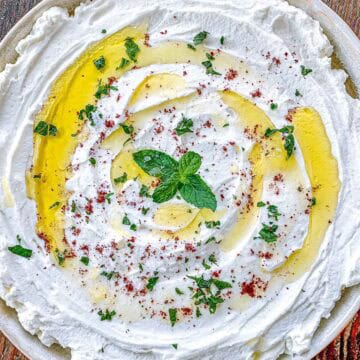
Turkish Labneh Recipe (2-Ingredient Yogurt Cheese)
Ingredients
- 24 oz Full Fat Greek Yogurt Grass-Fed
- ½ teaspoon Sea Salt
Instructions
- Place a colander over a deep bowl, making sure there is enough space underneath for the whey to collect. Line the colander with cheesecloth, a clean flour-sack towel, or several overlapping coffee filters.
- Place the full-fat Greek yogurt in the lined colander, sprinkle the sea salt over the top, and gently stir until the salt is mixed evenly throughout the yogurt.24 oz Full Fat Greek Yogurt, ½ tsp Sea Salt
- Fold the cheesecloth or towel over the yogurt, or cover it with extra coffee filters. Place the entire bowl and colander setup in the refrigerator and let the yogurt strain for 24 hours.
- After 24 hours, uncover the yogurt and check the consistency. The Turkish labneh should be thick, creamy, and spreadable. If it still looks softer than you would like, let it strain for a few more hours.
- Spoon the finished labneh into a shallow serving bowl. Use the back of a spoon to create a small well, then drizzle it with extra virgin olive oil and add your favorite labneh toppings.
Notes
- Use Plain, Full-Fat Greek Yogurt: Choose plain, unsweetened Greek yogurt with no added flavors. Full-fat Greek yogurt gives this Turkish labneh recipe the thickest, creamiest texture, while flavored yogurt will change the taste and may contain added sugar that does not work well in savory labneh.
- Give It The Full 24 Hours: I have made labneh for years, and 24 hours gives me the thick, spreadable texture I grew up eating. Check it sooner if you want a softer labneh dip, or strain it longer if you want it firm enough to shape into labneh balls.
- Keep The Colander Above The Whey: Make sure the bottom of the colander does not sit in the liquid that drains from the yogurt. If the yogurt touches the whey, it will not continue to thicken as well.
- Coffee Filters Make Cleanup Easy: Traditional cheesecloth works well, but I usually line my colander with overlapping coffee filters. They hold the yogurt in place, strain it evenly, and can be tossed when you are done.
- Let The Texture Guide You: Different yogurt brands contain different amounts of liquid, so the exact timing can vary. Your labneh yogurt cheese is ready when it holds its shape on a spoon and spreads easily without running.


Jamal Ali Dhawi says
Is it possible to know the Turkish specifications of labneh cheese?
Nadia says
Hello Jamal, I'm not sure what you are asking?
Deedee says
Is the 24 hours at room temperature or at refrigerator temperature?
A D says
Hi Deedee!
Thanks for your question. You will leave it out at room temperature for 24 hours.